
Alternative Access Controls
Alternative Access Controls (AACs) are specialized systems that allow
individuals with limited hand mobility to operate power wheelchairs using other
parts of the body—such as the head, chin, mouth, feet, or even eyes. These controls offer a path to independence when traditional joysticks aren’t an option.
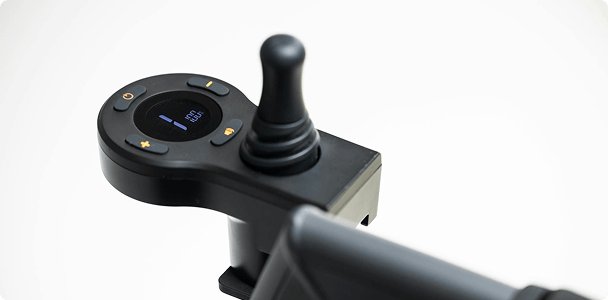
What They Are?

Replace the standard joystick with adaptive input methods.

Enable users to control speed and direction through body movements or alternative signals.

Designed to meet individual physical and functional needs.
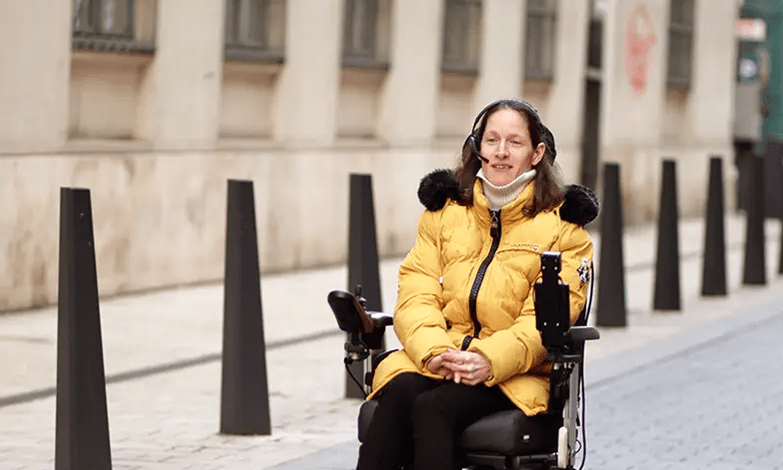
Types of Alternative Controls
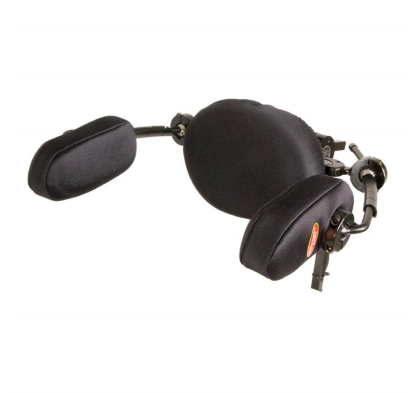
Head Arrays
Use head movements to trigger sensors or switches.
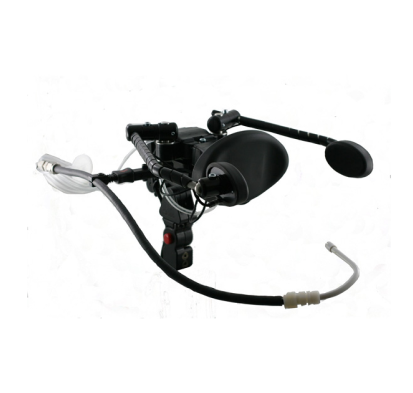
Sip-and-Puff
Use gentle sipping or puffing through a tube to issue commands.
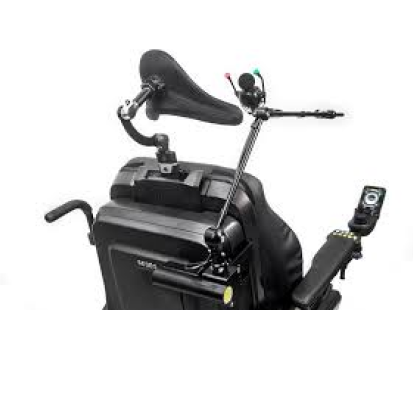
Chin Controls
Small joysticks positioned under the chin for directional control.

Foot Controls
Pedals or switches controlled by foot movement.
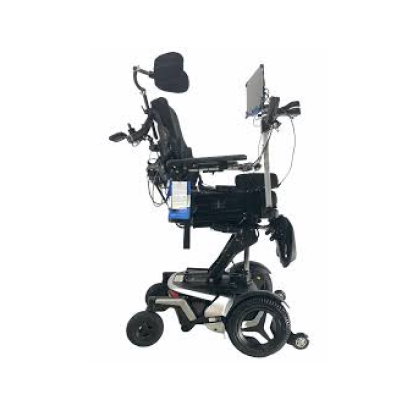
Eye Tracking
Advanced systems that follow eye movement to steer the wheelchair.
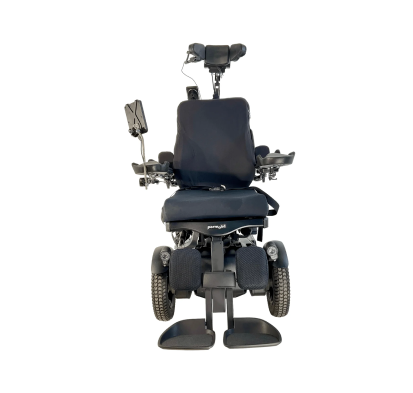
Multimodal Controls
Combine methods (e.g., head + facial gestures) for more complex control.


