Adaptive Car Seats
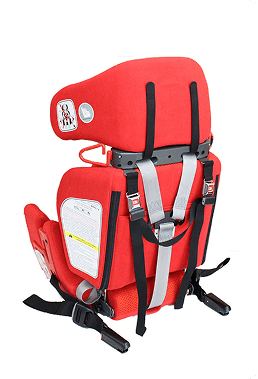
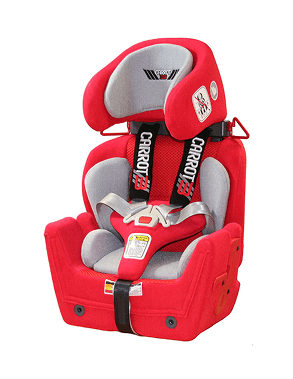
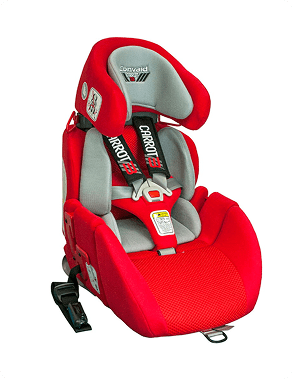
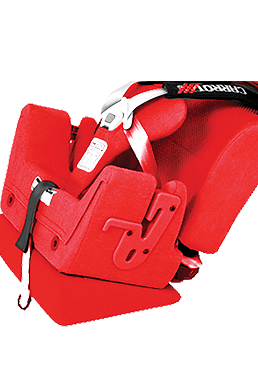
A pediatric adaptive car seat is a specialized vehicle restraint system designed
to meet the unique physical, behavioral, and medical needs of children who
cannot be safely or comfortably accommodated in standard car seats. These
seats are essential for ensuring safe, secure, and supportive transportation for
children with disabilities or complex medical conditions.
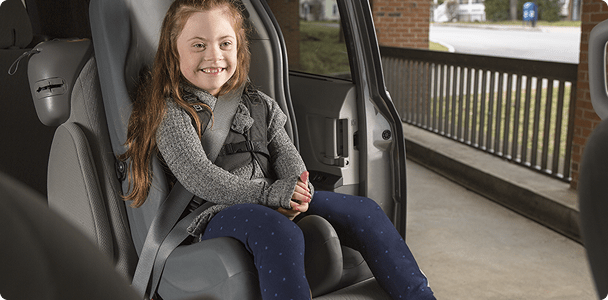
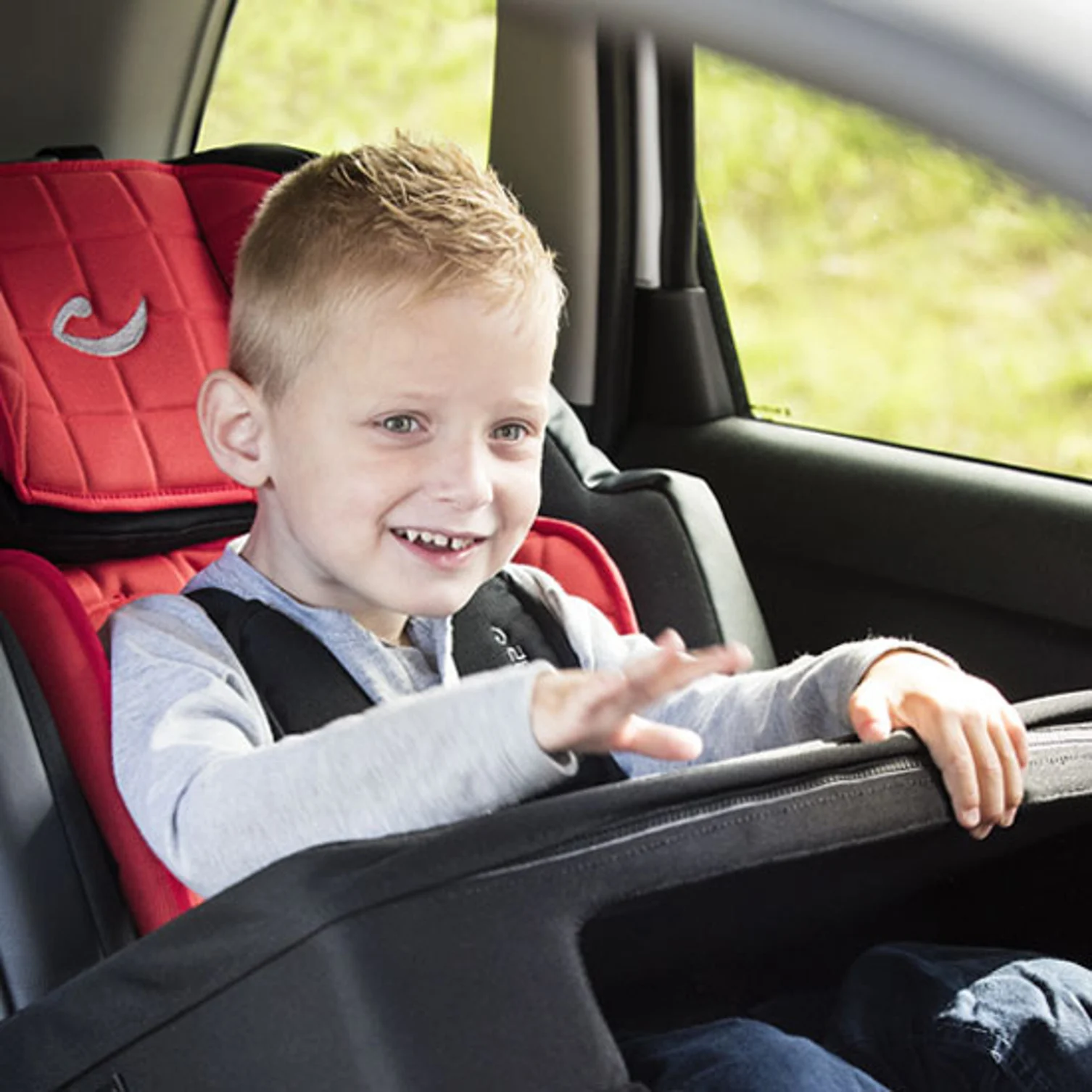
Adaptive car seats differ from conventional models by
offering:

Enhanced postural support for children with
low muscle tone, orthopedic conditions, or
developmental delays.
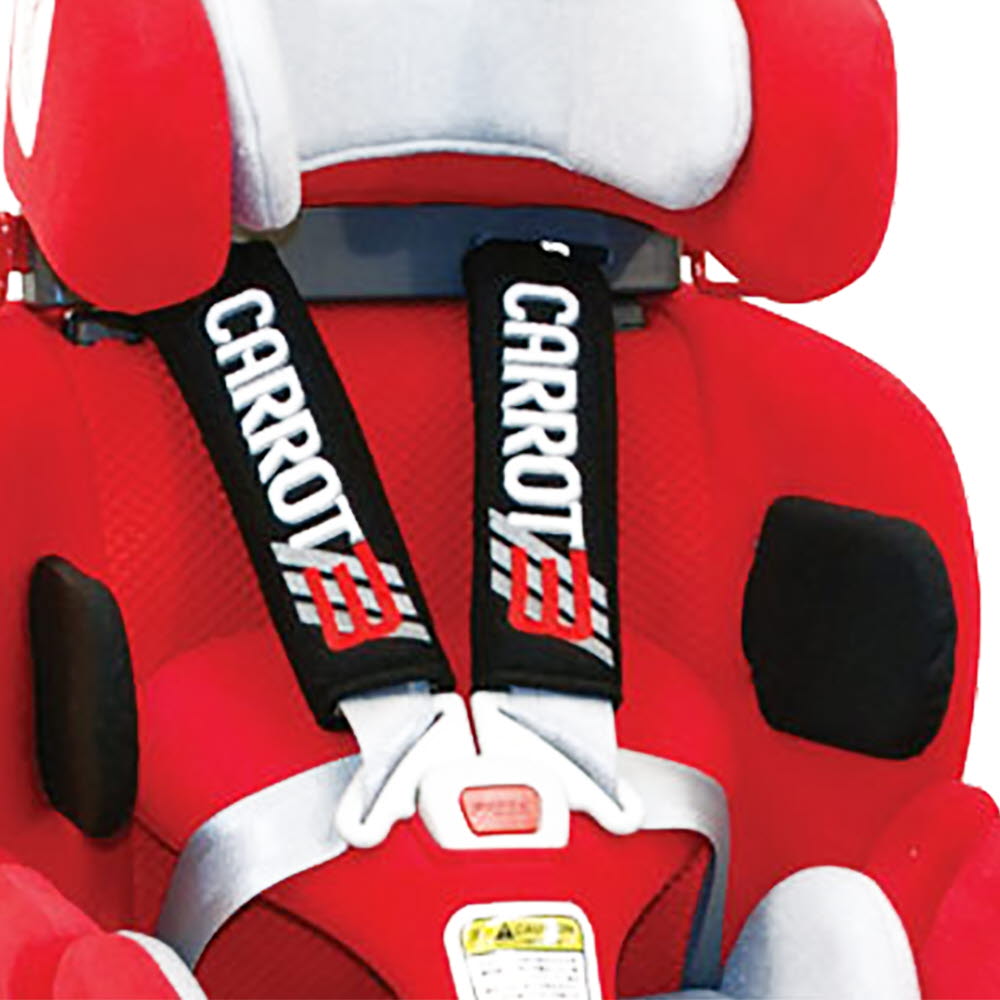
Customizable features like adjustable
headrests, lateral supports, and harness
systems.
Compatibility with medical devices, casts, or splints.
Escape prevention mechanisms for children
with behavioral challenges (e.g., locking chest
clips).
These seats are often used for children with:
- Cerebral palsy
- Spina bifida
- Autism spectrum disorder
- Muscular dystrophy
- Post-surgical recovery
- Sensory processing disorders
Key Benefits

Meets Safety Standards
Designed to meet or exceed FMVSS 213 crash safety standards.

Adjustable Components
Adjustable components allow the seat to grow with the child.
Secure Seating
Accommodates children who may otherwise be unsafe in
standard seats due to medical or behavioral needs.
Harness Safety
Helps prevent unbuckling or unsafe movement with specialized
harnesses.

Body Support
Provides head, trunk, pelvic, and leg support to maintain proper
alignment.

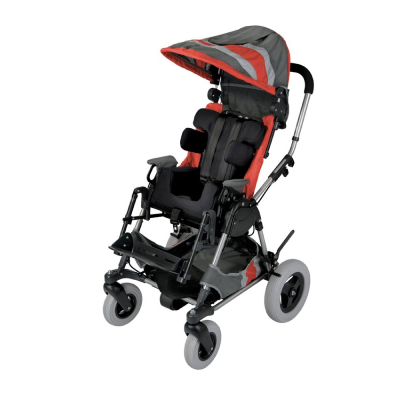
Supports Mobility
Some can be converted into stroller systems for mobility outside
the car.
Gallery